- Today On AI
- Posts
- OpenAI launches an AI-powered browser: ChatGPT Atlas
OpenAI launches an AI-powered browser: ChatGPT Atlas
AND: YouTube Rolls Out AI Likeness Detection Tool for Creators

Danish Anwar
October 22, 2025

✨TodayOnAI’s Daily Drop
OpenAI launches an AI-powered browser: ChatGPT Atlas
YouTube Rolls Out AI Likeness Detection Tool for Creators
Netflix Bets on AI as a Creative Tool, Not a Replacement
💬 Let’s Fix This Prompt
🧰 Today’s AI Toolbox Pick
| 📌 The TodayOnAI Brief |
OPENAI

🚀 TodayOnAI Insight: OpenAI has launched ChatGPT Atlas, its first AI-powered web browser, aiming to redefine how people search and interact with information online—and challenge Google Chrome’s long-standing dominance.
🔍 Key Takeaways:
AI-first browser: Atlas integrates ChatGPT directly into the browser, enabling users to chat with web content and search results.
Sidecar context: A persistent side panel gives ChatGPT live context from the current page—streamlining tasks like summarizing or explaining content.
Personalization via browser history: Atlas can track sites visited and in-browser activity to tailor responses.
Agent Mode for automation: Users on Plus, Pro, and Business plans can assign ChatGPT small in-browser tasks.
Cross-platform rollout: Launching on macOS first, with Windows, iOS, and Android versions coming soon.
💡 Why This Stands Out: Atlas represents a pivotal shift from static search toward interactive, context-aware browsing. With agents and real-time assistance baked in, the browser becomes more of an active collaborator than a passive tool. But with Chrome’s 3B+ users and AI competitors like Perplexity and Microsoft already in play, OpenAI’s browser still has a steep hill to climb. Will AI-native experiences finally dethrone the traditional web browser?
Youtube
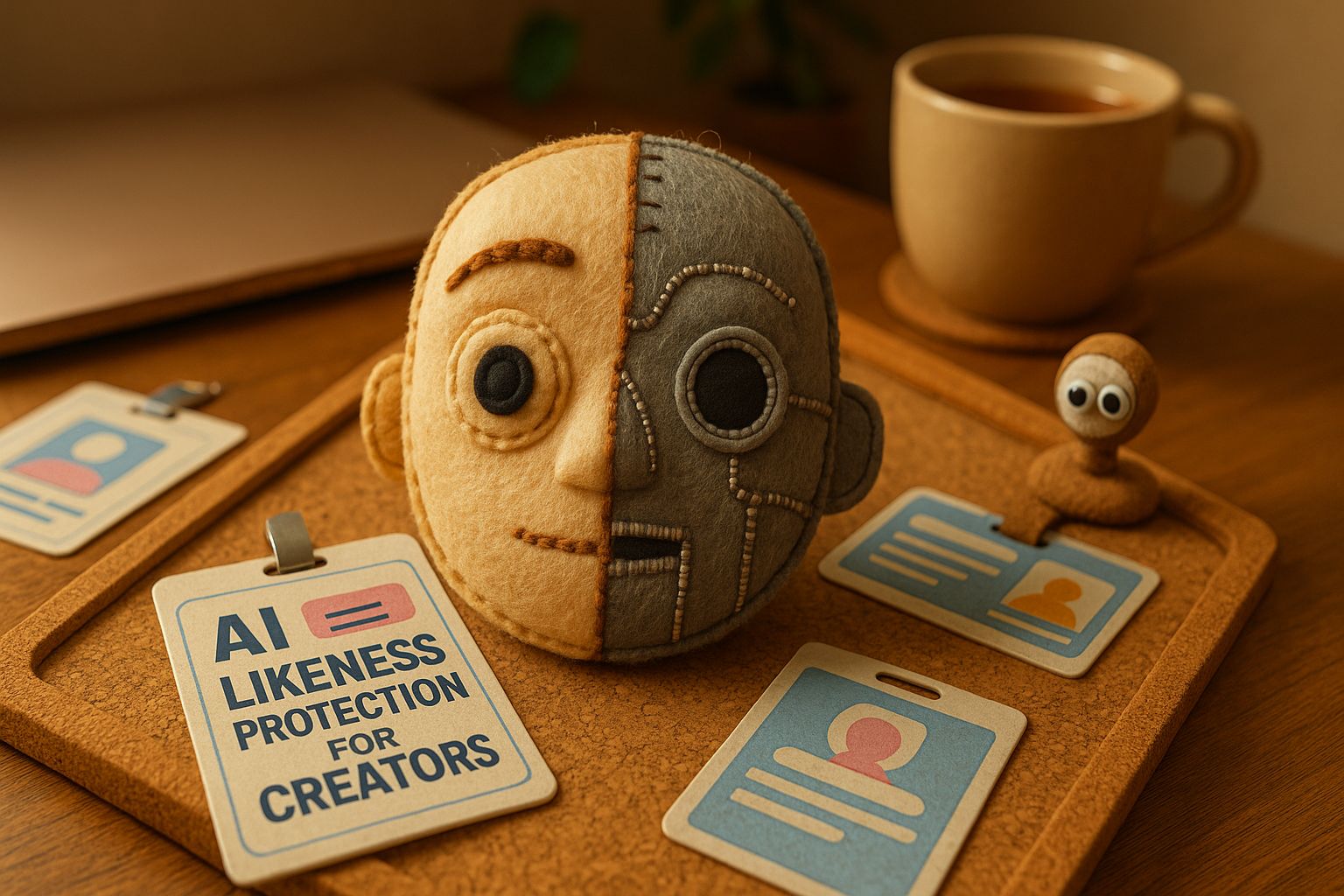
🚀 TodayOnAI Insight: YouTube is officially rolling out its AI likeness-detection tool to eligible members of the YouTube Partner Program, enabling creators to find and request removal of AI-generated videos that mimic their face or voice. This marks a significant step in creator protection amid rising concerns about deepfake misuse.
🔍 Key Takeaways:
YouTube’s tool detects AI-generated content that replicates a creator’s likeness—including voice and appearance.
Eligible creators were notified via email and can activate the tool through the “Likeness” tab on their dashboard.
Onboarding requires ID verification and a short selfie video; once approved, creators can view flagged videos and request removal under privacy or copyright policies.
Creators can opt out at any time, and YouTube will halt scans within 24 hours.
The rollout follows a pilot program and partnerships with agencies like CAA; YouTube also voiced support for the proposed NO FAKES Act.
💡 Why This Stands Out: YouTube’s move reflects a broader industry shift toward AI accountability and digital identity protection. As generative tools grow more sophisticated, platforms face increasing pressure to guard creators against impersonation and misuse. The rollout raises a key question: Will other platforms follow suit with similar safeguards, or fall behind in the fight against synthetic identity abuse?
Netflix
🚀 TodayOnAI Insight: Netflix is embracing generative AI as a creative accelerator, not a creative replacement. In its Q3 earnings report, the company signaled its intention to integrate AI into filmmaking workflows to improve efficiency—while firmly rejecting the idea that AI can substitute human storytelling.
🔍 Key Takeaways:
Netflix says it’s “very well positioned” to leverage AI and is already using it in post-production and pre-visualization.
Examples include collapsing buildings in The Eternaut and age-regression effects in Happy Gilmore 2.
CEO Ted Sarandos emphasized that AI is a tool to assist, not replace, creative professionals.
Behind-the-scenes use cases—like set design and wardrobe visualization—are seeing more adoption than AI-generated actors.
Despite industry tensions, Netflix reported a 17% YoY revenue jump to $11.5B, missing internal forecasts.
💡 Why This Stands Out: Netflix is signaling a pragmatic AI stance that’s likely to shape how studios deploy generative tools: enhance workflows, not erase human roles. As the entertainment industry contends with ethical and labor concerns, Netflix’s “all-in” approach—focused on augmentation over automation—offers a middle path. But will that be enough to preserve creative jobs in the age of accelerating AI?
| 💬 Let’s Fix This Prompt |
✨ See how a simple prompt upgrade can unlock better AI output.
🔹 The Original Prompt
"Generate blog ideas for a tech company."
At first glance, this prompt might seem okay. But it's too broad — and that limits the quality of AI-generated results. Let’s improve it using prompt engineering best practices.
✅ The Improved Prompt
Generate a list of unique, engaging blog post ideas for a B2B tech company that wants to attract decision-makers in mid-sized companies. Focus on topics related to emerging technology trends, industry insights, and practical solutions their software offers. Include suggested titles and a 1–2 sentence summary for each idea.
💡 Why It's Better
Specific audience: Targets decision-makers in mid-sized companies.
Contextual focus: Emphasizes emerging tech and practical solutions.
Actionable output: Requests summaries and titles to spark execution.
Tone and style: Guides the type of content (insightful, engaging, relevant).
🛠️ Learn how to adapt this prompt for SaaS, AI tools, dev teams & more →
Read the full PromptPilot breakdown
💡 Bonus Tool: Want to generate and master prompts instantly?
👉 Try PromptPilot by TodayOnAI (Free to use)
| 🧠 Smart Picks |
📰 More from the AI World
Open source agentic startup LangChain hits $1.25B valuation
OpenAI’s new browser is a broadside shot at Google
Sources: Multimodal AI startup Fal AI already raised at $4B+ valuation
a16z-backed Codi launches AI agent office manager