- Today On AI
- Posts
- Figma acquires AI-powered media generation company Weavy
Figma acquires AI-powered media generation company Weavy
AND: Bevel raises $10M Series A from General Catalyst for its AI health companion

Danish Anwar
November 03, 2025

✨TodayOnAI’s Daily Drop
Figma acquires AI-powered media generation company Weavy
Bevel raises $10M Series A from General Catalyst for its AI health companion
Nvidia May Pour $1B Into Poolside’s AI-Powered Coding Bet
💬 Let’s Fix This Prompt
🧰 Today’s AI Toolbox Pick
| 📌 The TodayOnAI Brief |
Figma
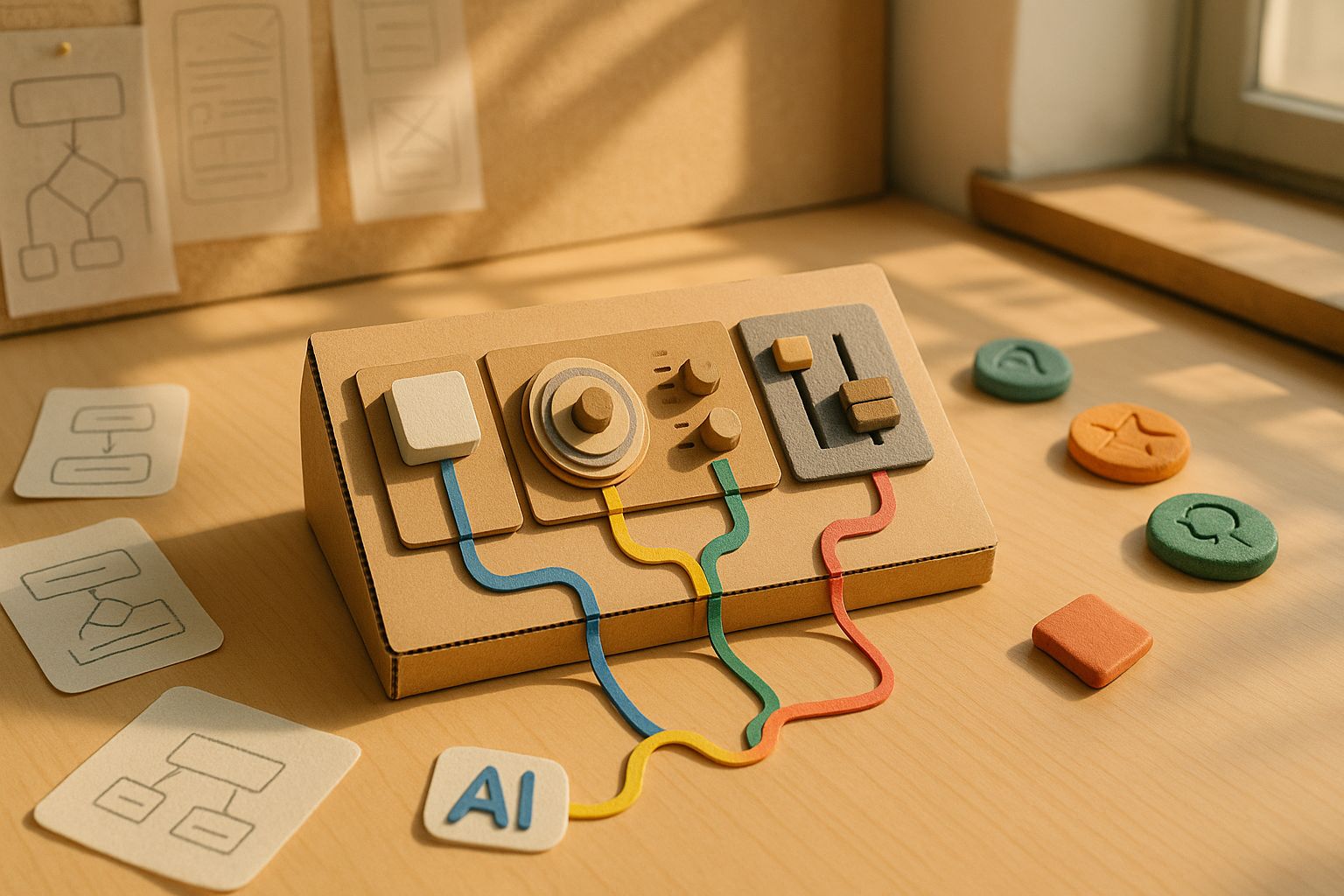
🚀 TodayOnAI Insight: Figma has acquired Tel Aviv–based AI media startup Weavy to launch Figma Weave, a new product line focused on generative image and video creation. The deal marks Figma’s first major move into AI-native creative tooling, blending advanced generation with precise design control.
🔍 Key Takeaways:
Figma Weave will operate as a standalone product initially, before deeper integration into Figma's core platform.
Weavy’s node-based editor lets users mix and match AI models, then iteratively refine results with pro-level editing—layer control, lighting, angles, and more.
Supported models include Sora, Veo, and Seedance for video; Flux, Ideogram, and Seedream for images.
Users can start with a prompt, explore outputs across models, and chain prompts to create seamless image-to-video workflows.
The 20-person Weavy team will join Figma; financial terms of the acquisition were not disclosed.
💡 Why This Stands Out: This move signals Figma’s intent to shape the future of AI-assisted design by merging generative creativity with precision tooling. Unlike many one-click generators, Figma Weave emphasizes flexibility and craft—letting designers experiment across models, edit results in real-time, and preserve full creative agency. As AI design tools evolve, will control and customizability become the new UX battleground?
Bevel
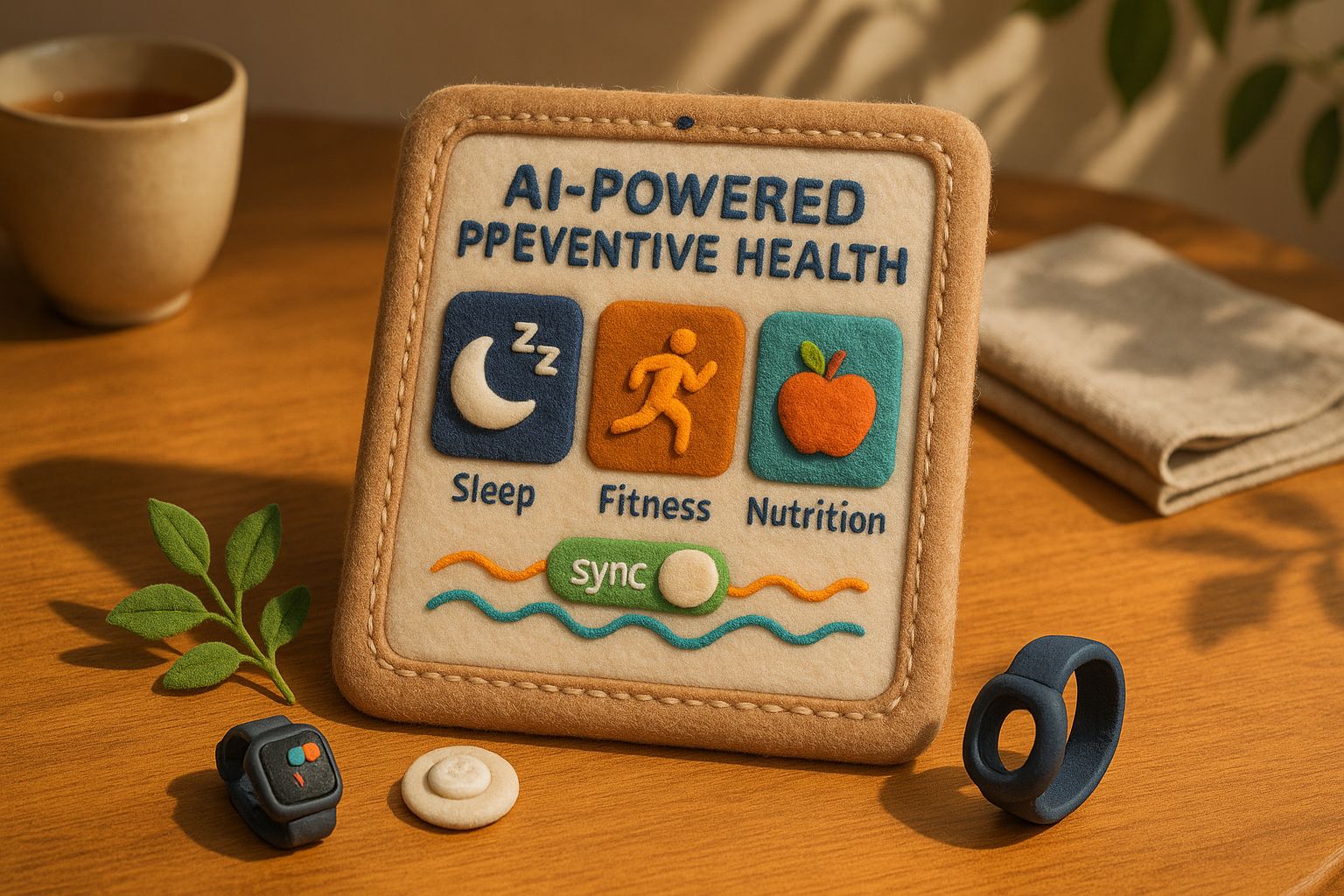
🚀 TodayOnAI Insight: Bevel, a health tech startup unifying data across wearables and wellness habits, has raised a $10M Series A from General Catalyst to scale its AI-driven health companion. Unlike hardware-dependent rivals, Bevel offers a software-only model aimed at making personalized, proactive health insights broadly accessible.
🔍 Key Takeaways:
Bevel integrates data from sleep, fitness, and nutrition apps into a single AI system—Bevel Intelligence—for personalized recommendations.
The app syncs with Apple Health, Dexcom, and Libre, with Garmin support on the way.
It has surpassed 100,000 daily active users, with 80%+ 90-day retention—well above category norms.
Users interact frequently, averaging eight app opens per day; pricing is $6/month or $50/year.
Co-founder backgrounds include Dropbox, Facebook, Opendoor, and Campus; the company grew 8x in the past year.
💡 Why This Stands Out: Bevel reflects a growing shift in digital health: moving from siloed data toward holistic, AI-powered understanding. By decoupling from proprietary hardware, it bets on interoperability and affordability—two critical factors in scaling preventive care. As health becomes more personalized, will intelligence—not devices—be the dominant layer of value?
Nvidia

🚀 TodayOnAI Insight: Nvidia is reportedly eyeing a $500M–$1B investment in AI startup Poolside, doubling down on its bet to transform how software gets written with generative AI. The deal could make up half of Poolside’s $2B round, valuing the company at $12B.
🔍 Key Takeaways:
Nvidia may invest up to $1B in Poolside, an AI firm developing models that assist with software engineering.
The funding is part of a $2B raise at a $12B valuation, per Bloomberg.
Nvidia previously backed Poolside’s $500M Series B in October 2024.
The GPU leader is expanding its portfolio, also considering $500M for Wayve, a UK self-driving tech startup.
Nvidia recently took a $5B stake in Intel, signaling broader strategic ambitions in AI and chipmaking.
💡 Why This Stands Out: Nvidia’s potential billion-dollar follow-up in Poolside suggests a strong conviction in generative AI’s role in automating software development. It also reflects Nvidia’s evolution from hardware enabler to ecosystem architect, influencing not just AI training but how AI is built and deployed. As foundational models extend deeper into coding, will Nvidia also start shaping the future of programming itself?
| 💬 Let’s Fix This Prompt |
✨ See how a simple prompt upgrade can unlock better AI output.
🔹 The Original Prompt
"Generate blog ideas for a tech company."
At first glance, this prompt might seem okay. But it's too broad — and that limits the quality of AI-generated results. Let’s improve it using prompt engineering best practices.
✅ The Improved Prompt
Generate a list of unique, engaging blog post ideas for a B2B tech company that wants to attract decision-makers in mid-sized companies. Focus on topics related to emerging technology trends, industry insights, and practical solutions their software offers. Include suggested titles and a 1–2 sentence summary for each idea.
💡 Why It's Better
Specific audience: Targets decision-makers in mid-sized companies.
Contextual focus: Emphasizes emerging tech and practical solutions.
Actionable output: Requests summaries and titles to spark execution.
Tone and style: Guides the type of content (insightful, engaging, relevant).
🛠️ Learn how to adapt this prompt for SaaS, AI tools, dev teams & more →
Read the full PromptPilot breakdown
💡 Bonus Tool: Want to generate and master prompts instantly?
👉 Try PromptPilot by TodayOnAI (Free to use)
| 🧠 Smart Picks |
📰 More from the AI World
Nvidia is reportedly investing up to $1B in Poolside
Cluely’s Roy Lee on the rage-bait strategy for startup marketing
ElevenLabs CEO says AI audio models will be ‘commoditized’ over time
Grammarly rebrands to ‘Superhuman,’ launches a new AI assistant
🧰 Today’s AI Toolbox Pick
📬HoppyCoppy (Content Tool): Generates powerful content for hundreds of different email marketing campaigns.
💬Never Jobless (Career Tool): Maximizes your interview chances with AI-powered LinkedIn messaging.
⏳TableFlow (Marketing Tool): An open-source CSV importer to onboard customer data faster.