- Today On AI
- Posts
- Alphabet Acquires Intersect Power to Fuel AI With Clean Energy
Alphabet Acquires Intersect Power to Fuel AI With Clean Energy
AND: Waymo Tests Gemini AI as In-Car Assistant for Robotaxi Riders

Danish Anwar
December 26, 2025

✨TodayOnAI’s Daily Drop
Alphabet Acquires Intersect Power to Fuel AI With Clean Energy
Waymo Tests Gemini AI as In-Car Assistant for Robotaxi Riders
China Files 700+ Generative AI Models as HarmonyOS Surpasses 1.19B Devices
💬 Let’s Fix This Prompt
🧰 Today’s AI Toolbox Pick
| 📌 The TodayOnAI Brief |
Alphabet Inc.
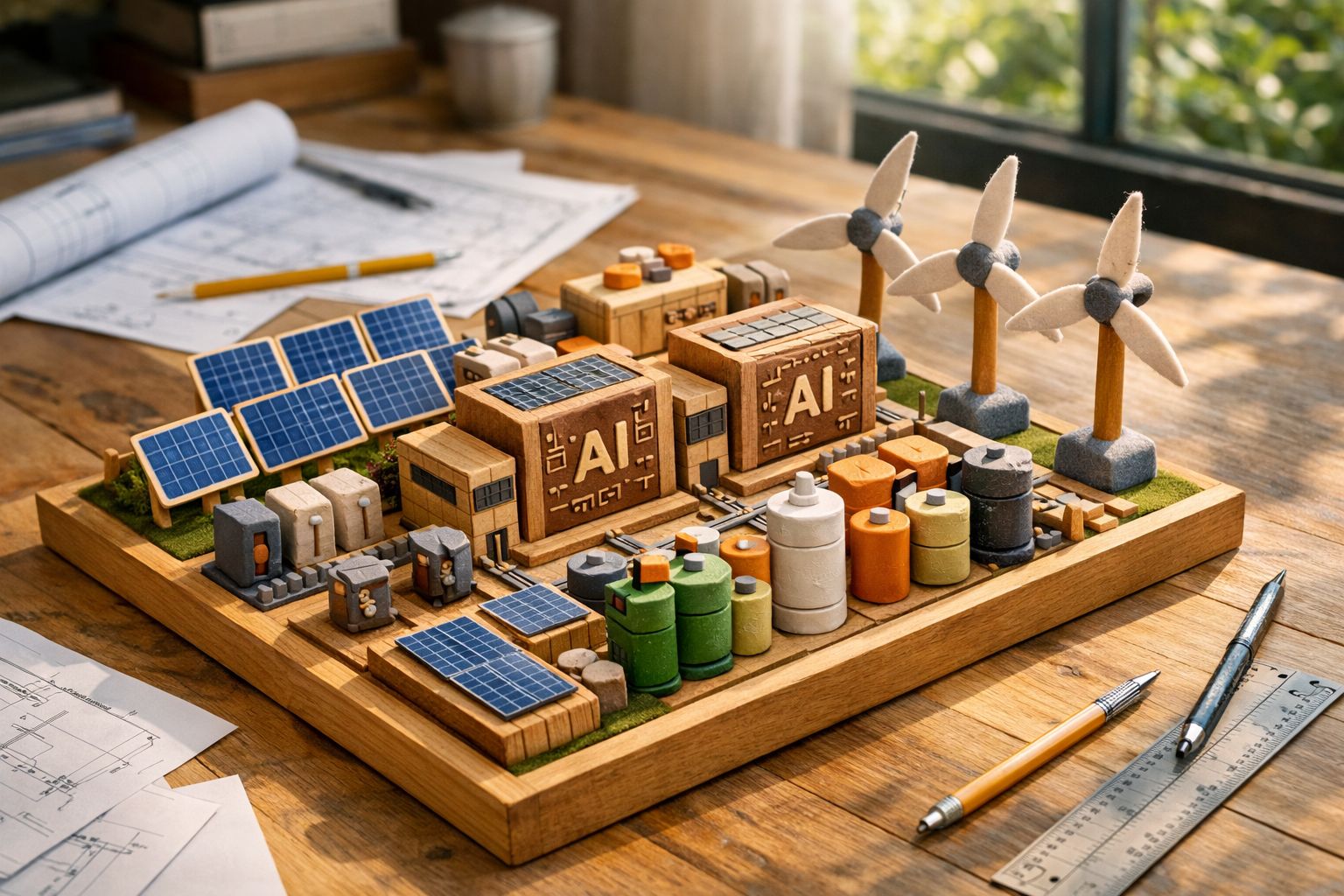
🚀 TodayOnAI Insight: Alphabet is acquiring clean energy and data center developer Intersect Power for $4.75 billion, signaling a strategic move to secure power capacity for its growing AI infrastructure—without relying on overstretched local utilities.
🔍 Key Takeaways:
Alphabet will pay $4.75B in cash and assume debt to acquire Intersect Power’s development pipeline.
The deal excludes Intersect’s current operations, which will spin off under separate ownership.
Google previously co-led an $800M investment in Intersect, aiming for $20B in climate and energy assets by 2030.
Intersect’s energy-adjacent “data parks” will go live in late 2026, supporting AI compute demand with wind, solar, and battery power.
While Google will be the primary occupant, the parks are designed for multi-tenant AI chip infrastructure.
💡 Why This Stands Out:As AI models drive surging energy demand, tech giants are increasingly bypassing utilities to build their own power ecosystems. Alphabet’s acquisition of Intersect reflects a shift toward vertically integrated infrastructure—pairing compute with clean energy at scale. Could this signal the rise of energy-sovereign AI campuses?
Waymo

🚀 TodayOnAI Insight: Waymo is testing an in-car integration of Google’s Gemini AI chatbot, aiming to enhance its robotaxi experience with a conversational assistant that answers rider questions and manages cabin settings—signaling a deeper fusion of generative AI and autonomous driving.
🔍 Key Takeaways:
Gemini’s integration was uncovered by researcher Jane Manchun Wong in Waymo’s app code, including a 1,200+ line system prompt outlining the bot’s behavior.
The “Waymo Ride Assistant” can greet passengers by name, answer questions, and adjust in-cabin features like temperature, music, and lighting.
The assistant maintains a clear identity, distinct from the autonomous “Waymo Driver,” and avoids commenting on driving performance or real-time incidents.
It can access rider history and offer personalized interactions, but cannot take real-world actions like making reservations or changing routes.
This follows Waymo’s previous use of Gemini’s “world knowledge” to train its self-driving models, and mirrors Tesla’s efforts with xAI’s Grok assistant.
💡 Why This Stands Out: Waymo’s move reflects a broader trend: autonomous vehicle companies are pairing generative AI with self-driving systems to humanize the passenger experience. By clearly defining Gemini's boundaries—focusing on safety, clarity, and utility—Waymo is setting a thoughtful precedent. As AI copilots grow more common, will the line between assistant and operator continue to blur?
AI News
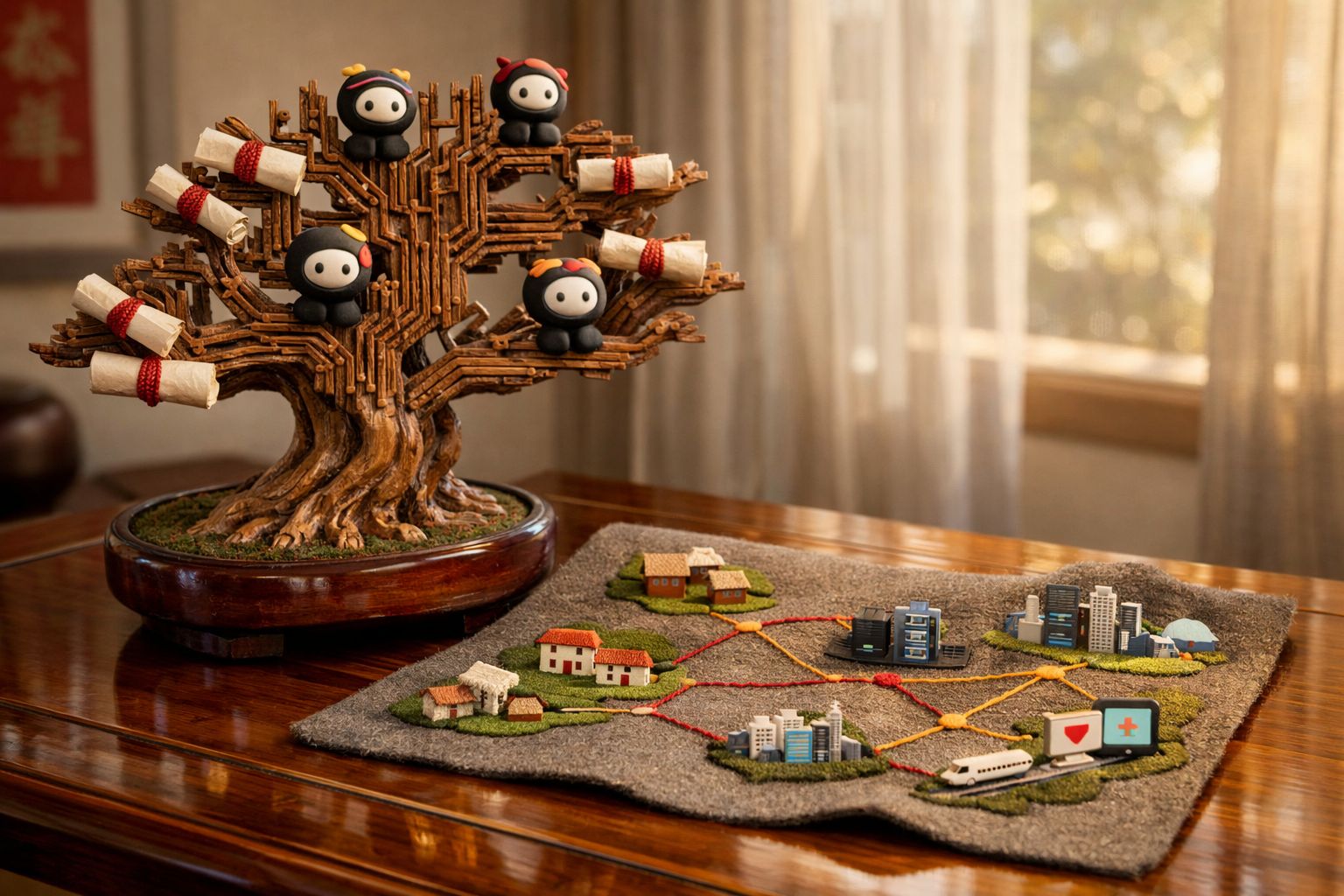
🚀 TodayOnAI Insight: China has reported major advances in AI, integrated circuits, and software development during its 14th Five-Year Plan, with over 700 generative AI models officially filed. The Cyberspace Administration of China (CAC) highlighted rising internet penetration, expanding HarmonyOS adoption, and rural digital transformation as key milestones.
🔍 Key Takeaways:
Over 700 generative AI large models have completed regulatory filings, signaling a rapid scale-up in domestic AI innovation.
HarmonyOS surpassed 1.19 billion device installations, reinforcing China's push for an open-source, homegrown operating system.
Internet usage jumped from 70.4% to 79.7%, with the urban-rural gap narrowing by 8.2 percentage points.
Telemedicine now reaches every city and county, while rural e-commerce sales hit ¥2.5 trillion ($355B), up 43% since 2020.
IT adoption in agriculture rose from 22.5% to over 30%, reflecting deeper digital integration in rural economies.
💡 Why This Stands Out: These gains reflect China’s accelerating strategy to reduce reliance on foreign tech and build digital resilience across sectors. The rapid deployment of generative AI models, alongside HarmonyOS growth, suggests a concerted effort to establish sovereign tech ecosystems. Is China’s model of centrally guided digital development becoming a viable blueprint for other emerging economies?
| 💬 Let’s Fix This Prompt |
✨ See how a simple prompt upgrade can unlock better AI output.
🔹 The Original Prompt
"Generate blog ideas for a tech company."
At first glance, this prompt might seem okay. But it's too broad — and that limits the quality of AI-generated results. Let’s improve it using prompt engineering best practices.
✅ The Improved Prompt
Generate a list of unique, engaging blog post ideas for a B2B tech company that wants to attract decision-makers in mid-sized companies. Focus on topics related to emerging technology trends, industry insights, and practical solutions their software offers. Include suggested titles and a 1–2 sentence summary for each idea.
💡 Why It's Better
Specific audience: Targets decision-makers in mid-sized companies.
Contextual focus: Emphasizes emerging tech and practical solutions.
Actionable output: Requests summaries and titles to spark execution.
Tone and style: Guides the type of content (insightful, engaging, relevant).
🛠️ Learn how to adapt this prompt for SaaS, AI tools, dev teams & more →
Read the full PromptPilot breakdown
💡 Bonus Tool: Want to generate and master prompts instantly?
👉 Try PromptPilot by TodayOnAI (Free to use)
| 🧠 Smart Picks |
📰 More from the AI World
🧰 Today’s AI Toolbox Pick
📝Reword (Copywriting Tool): Helps your team collaborate ethically with AI so you can write outstanding articles for your readers.
⚙️SiteGPT (Chatbot Tool): Creates stunning websites in seconds.
🌗MoonBeam (Copywriting Tool): A long-form writing assistant that allows you to never write from scratch again.